Preparing Your Church for Sale: A Checklist
Selling a church property is a significant decision that involves careful planning, clear communication, and a thorough understanding of the unique aspects of church real estate. Unlike selling a typical home or commercial building, churches for sale must consider the needs of their congregation, the requirements of their denomination, and the interests of the wider community. Whether your congregation is relocating, merging, or closing, preparing your church for sale can help maximize its value and ensure a smooth transition.
Many church properties are rich with history and serve as important community landmarks. This makes the process of selling both an emotional and practical journey. By taking a systematic approach, you can honor your church’s legacy while positioning the property for its next chapter.
A well-prepared church property is more attractive to buyers, can command a higher price, and will likely sell faster.
This article provides a step-by-step checklist to guide you through repairs, documentation, and presentation strategies. We’ll also explore lease types, negotiation tips, legal considerations, insurance requirements, and more. Whether you’re just starting to consider selling or are ready to list your church, these insights will help you navigate the process with confidence.
1. Assessing and Enhancing Property Value
The first step in preparing churches for sale is to assess the property’s current value and identify opportunities to enhance it. Factors such as parking capacity, the functionality of the church kitchen, and the size of the sanctuary can greatly influence market value. Ample parking, for instance, not only adds convenience but also increases the property’s attractiveness for larger events or gatherings.
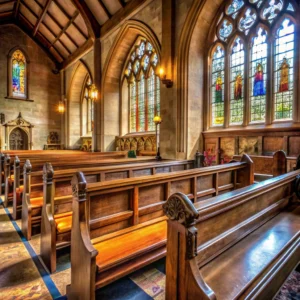
Consider the condition and versatility of your church’s amenities. A well-equipped kitchen can serve as a valuable asset, opening up possibilities for community events or catering services, which can generate additional income for the church or its future owners. Similarly, a spacious sanctuary with flexible seating arrangements can appeal to a broader range of buyers or tenants.
The Churches For Sale Group has created a valuation process that is second to none. We are confident in our valuation process because it has lead to valuations that more often than not are very close to a final sales price. Please consider working with the Churches For Sale Group to obtain a proper market evaluation.
Why is this so important? Properly pricing your church property when you are looking to sale is often the largest determining factor in if you church will sell in a reasonable time frame. We have experienced time and time again, that churches who spend the time and effort to properly put a value on their church property will sell faster and closer to the valuation amount, than if they are provided with a “best guess” based solely on comparative church sales. The method we use has been built and tested over time, and proven to be amount the industry best.
2. Completing Essential Repairs and Maintenance
Before listing your church, address any deferred maintenance or necessary repairs. Start with a comprehensive inspection of the building, including the roof, HVAC systems, plumbing, and electrical components. Fixing leaks, broken fixtures, or outdated systems not only enhances the property’s appeal but also prevents issues during buyer inspections. Depending on the condition and age of your property we may suggest that you do a preliminary inspection to help be up front with your potential buyers. It is important to disclose ALL known issues with the current property. You may be legally liable if it is found out after closing on the property that you knowingly withheld information.
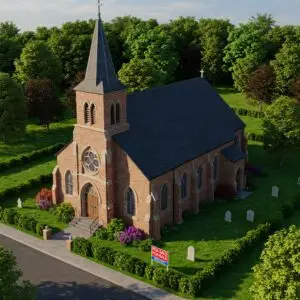
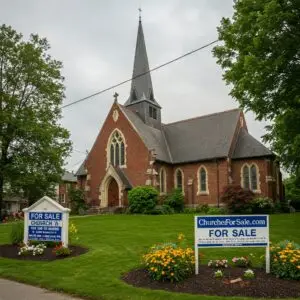
Pay special attention to curb appeal. Simple landscaping, fresh paint, and clean walkways make a strong first impression. Inside, ensure that common areas, restrooms, and meeting spaces are clean, well-lit, and free of clutter. Consider minor upgrades such as new carpeting or updated lighting to modernize the space without significant expense.
Document all repairs and improvements. Keeping a record of maintenance can reassure prospective buyers that the property has been well cared for and can support your asking price. This transparency also helps during negotiations and inspections, reducing the likelihood of last-minute surprises.
3. Organizing Documentation and Legal Requirements
Proper documentation is crucial when preparing churches for sale. Gather all relevant property records, including deeds, titles, surveys, and past appraisals. Review your church’s governing documents and bylaws to understand the approval process for selling property, including any required votes or denominational permissions.
Consult with a real estate attorney experienced in church transactions. They can help you navigate state and local regulations, zoning laws, and any deed restrictions or covenants that may affect the sale. Some church properties have special use restrictions or reversionary clauses that must be addressed before a sale can proceed.
Order a title report to identify any encumbrances, liens, or unresolved legal issues. Addressing these matters early helps prevent delays and ensures a smooth closing process. Your attorney can also advise on the required language for contracts and assist with filings or petitions needed for regulatory approval.
4. Exploring Lease Types and Tenant Options
If your church is not ready for an outright sale, or if you want to generate income while marketing the property, consider leasing part or all of the space. Lease types can range from short-term event rentals to long-term agreements with other congregations, schools, or nonprofits.
Evaluate the suitability of your property for various tenants. For example, classrooms or fellowship halls may attract educational or community organizations. When leasing, it’s essential to understand zoning regulations and any restrictions on non-church use of the property.
Work with an attorney to draft a comprehensive lease agreement that outlines rent, responsibilities for maintenance and utilities, insurance requirements, and use of shared spaces. A well-structured lease protects your interests and ensures a positive relationship with tenants.
5. Presenting Your Church Property to Buyers
Presentation is key to attracting interest in churches for sale. Begin by decluttering and depersonalizing spaces, removing old signage or religious artifacts that will not remain with the property. Stage areas to highlight their versatility, such as setting up classrooms, meeting rooms, or event spaces to showcase potential uses.
Professional photography and virtual tours can significantly enhance your property’s online presence. High-quality images and detailed descriptions help buyers envision the possibilities and encourage them to schedule in-person visits.
Host open houses or private tours for prospective buyers, real estate agents, and community leaders. Be prepared to answer questions about the property’s history, maintenance, and potential uses. The more accessible and inviting your church appears, the more likely it is to attract serious offers.
6. Negotiation Tips for Church Property Sales
Negotiating the sale of a church property requires a thoughtful approach. Understand your bottom line and be prepared to justify your asking price with recent appraisals, maintenance records, and market comparisons. Flexibility can be advantageous, but know which terms are non-negotiable for your congregation.
Consider creative solutions that benefit both parties. For example, some buyers may be interested in a phased transition, allowing your congregation time to relocate. Others may value the opportunity to purchase furnishings or equipment as part of the deal.
Engage a real estate professional who specializes in churches for sale to represent your interests. Their experience can help you navigate offers, counteroffers, and contingencies, ensuring that you achieve the best possible outcome for your church community.
7. Legal and Insurance Considerations
Church property sales involve unique legal and insurance requirements. Work with an attorney to ensure compliance with all applicable laws, including nonprofit regulations, zoning, and any denominational rules. Some states require court or attorney general approval for the sale of religious properties.
Review your insurance policies and consult with your provider about coverage during the sale process. If leasing the property, require tenants to carry adequate insurance and name the church as an additional insured party. This protects your congregation from liability during the transition.
Address any outstanding debts, mortgages, or liens before closing. Clear communication with lenders and legal counsel will help you understand payoff requirements and avoid complications at settlement.
Conclusion: A Thoughtful Transition
Selling a church property is more than a real estate transaction-it’s a transition for your congregation and the wider community. By following a comprehensive checklist, you can maximize your property’s value, minimize stress, and ensure a respectful handover to new owners or tenants.
Taking the time to address repairs, organize documentation, and present your church in the best possible light demonstrates stewardship and care. Engaging experienced professionals-attorneys, realtors, and contractors-further protects your interests and streamlines the process.
As you navigate the journey of listing churches for sale, remember that preparation is key. With thoughtful planning and the right support, your church can move forward with confidence, knowing you’ve honored its past and secured its future.