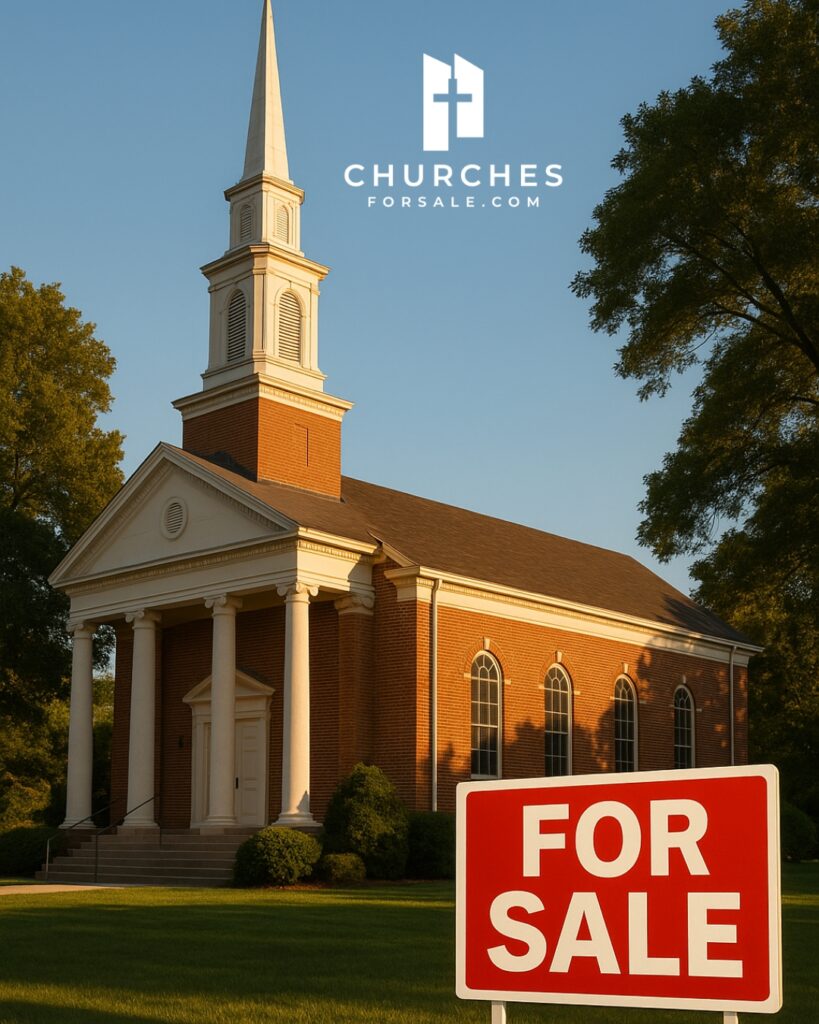
Navigating the Journey: Key Questions Every Church Must Ask Before Selling Their Property
The changing landscape of faith communities across the United States has led many churches to consider the once-unthinkable: putting their beloved buildings up for sale. The phrase “churches for sale” is no longer unusual but has instead become a recurring reality on property listings, stirring complex emotions and strategic deliberations among congregations. As more churches tabulate the practical and spiritual costs of maintaining their existing spaces, the subject of placing a “church for sale” sign at the edge of the lawn is treated with profound seriousness and responsibility. This pivotal decision, which impacts not just bricks and mortar but the soul of a congregation, requires exhaustive introspection, thoughtful consultation, and intentional leadership.
In many cases, the factors prompting consideration of a property sale are interwoven—declining membership, financial constraints, and a changing neighborhood climate collectively urge church leaders to reckon with difficult truths. These factors are neither new nor unique, yet each congregation’s
scenario is deeply personal. There is no universal map for discerning the right timing or terms for pursuing a church for sale; decisions must be made through communal discernment, prayerful reflection, and expert advice tailored to a church’s unique context. At the same time, leaders must be attentive to the larger movement involving churches for sale, paying careful attention to best practices and cautionary tales from similar faith communities.
For those shepherding their congregations through this process, transparency and communication are essential at every turn. The notion of “church for sale” can elicit a range of emotions—grief, hope, nostalgia, and sometimes relief—requiring sensitive and sustained engagement with every stakeholder. In the contemporary landscape, success is less about maximizing property value and more about aligning every step of the journey with the congregation’s mission, values, and legacy. As difficult as these choices may be, the decision to add a church to the list of churches for sale can represent a new chapter of faithful stewardship rather than a mere conclusion.
Selling a church property is about more than transferring ownership; it is about nourishing the congregation’s calling, equipping the next phase of ministry, and serving the wider community with integrity. This transition demands visionary thinking, as the leaders who once built or maintained the sacred space are now tasked with imagining fresh possibilities. The sacredness of the task cannot be overstated: many church buildings have witnessed centuries of weddings, funerals, baptisms, and worship, and their stories are etched into the fabric of countless lives. To honor these legacies, leaders must approach the process with an open hand—ready to release, adapt, and envision the future.
Amid this complexity lies the urgency to make informed and mission-aligned choices. The market for churches for sale is multifaceted, shaped by local real estate conditions, denominational governance, and community input. Leaders must keep abreast of these developments, constantly weighing financial considerations with theological commitments and caregiving responsibilities. This is why robust, ongoing education around church for sale processes, market trends, and legal requirements is critical for both clergy and congregational boards.
What follows is a deep, exhaustive exploration of the nine essential questions every congregation should address before moving forward with listing their church for sale. Each section unpacks a pivotal consideration, grounding it in definitions, descriptive scenarios, hypothetical situations, and thoughtful solutions. Our goal is to equip readers of ChurchesForSale.com with wisdom, empathy, and clarity at every step of this sacred journey.
Why Are We Considering This Sale?
Defining the core motivation behind listing a church for sale is perhaps the single most important foundation upon which all other decisions will rest. Many congregations discover that the initial reasons for selling—such as shrinking attendance, mounting repair bills, or shifting demographics—mask deeper opportunities for ministry renewal or reinvention. For instance, a church might first discuss a sale due to budget deficits, but through discernment, may realize there are more innovative, less disruptive solutions, such as partnering with local nonprofits to share building costs. We would suggest learning more about our Fractional CFO Services in this article.
Church leaders must ask themselves if the push to sell is rooted in a season of change or triggered by a temporary crisis. Selling a church for sale listing out of panic or exhaustion may yield regret, especially if alternative solutions were not examined. When congregations pause to assess market trends in churches for sale, consult with denominational representatives, and listen closely to their membership, they often identify nuanced motivations, from a longing to pursue more relevant ministry models to the hope of reaching new populations in different neighborhoods.
Imagine a mid-sized urban church debating a church for sale decision due to declining Sunday attendance. Leadership conducts a survey, only to find strong interest in weekday programming or online faith communities. Instead of selling, the church could adapt its facility for multi-purpose events, leveraging untapped resources and generating fresh income. Alternatively, churches facing irreversible neighborhood decline might determine that a dignified exit—by placing the church for sale—will ensure a stronger financial foundation for restarting ministry elsewhere.
Solutions depend on a thorough needs assessment, ideally facilitated by neutral, trusted advisors. Churches for sale professionals often recommend a comprehensive SWOT analysis (Strengths, Weaknesses, Opportunities, Threats) to unearth all possible options. Honoring the “why” behind the potential sale lays a path to transparent communication with the congregation, increases stakeholder buy-in, and prevents unintended fallout during negotiations.
As you weigh the question “Why are we considering this sale?” remember that the honest answer will shape the congregation’s narrative to neighbors, future buyers, and most importantly, to its own members. This clarity will also play a crucial role in marketing the property effectively, as buyers are increasingly seeking churches for sale whose stories match their own values and aspirations.
Finally, failing to define the “why” invites confusion and conflict further into the process. Congregational unity can break down when rumors, suspicions, or divergent motives emerge unchecked. In the emotionally charged context of listing a church for sale, intentional reflection on core motivation provides an anchor of integrity, courage, and hope for the road ahead.
Are we Stewarding this property to its fullest potential?
What does it mean to steward a property that a church is utilizing? We have a full article written on this topic [The New Stewardship Mandate: A Practical Guide to Generating Reliable Income Streams for Churches]. It is also the basis for our newest launched ebook series [Shop]. Please check out those resources before deciding to sell. Maybe it is a matter of stewarding your property? Time to get your leadership aligned.
Complete Stewardship Guid to Leasing Church Property
-
How to Lease Your Church Property: From Income to Impact eBook (Series Book 8 of 8)
$2.99 Add to cart -

How to Lease Your Church Property: Insurance+ eBook (Series Book 7 of 8)
$2.99 Add to cart -
How to Lease Your Church Property: Leases eBook (Series Book 6 of 8)
$2.99 Add to cart -
How to Lease Your Church Property: Money Matters eBook (Series Book 5 of 8)
$2.99 Add to cart
Is Our Congregation and Leadership Aligned on This Decision?
When placing a church for sale, alignment among clergy, board members, and the wider congregation is essential to avoid division and ensure a smooth transition. Misalignment can easily derail even the best-planned sales, leading to contentious meetings, procedural setbacks, and deep-seated hurt feelings that linger long after the property is sold. The process to secure unity is as important as any legal or financial step, for it preserves the community’s ability to move forward in faith and mission.
Discerning alignment begins with open and honest dialogue, where every voice—whether jubilant, uncertain, or anxious—is welcomed. Many thriving churches for sale stories start with a courageous leader asking hard questions and inviting genuine feedback, even if that feedback is painful. Leadership teams set the tone by hosting town hall gatherings, distributing anonymous surveys, and forming decision-making task forces reflective of the congregation’s diversity.
In situations where alignment is elusive, wise churches engage outside mediators or denominational representatives to facilitate difficult conversations. Imagine a scenario where half the congregation feels attached to every stained-glass window, while others are ready to embrace a fresh start. A neutral party can help clarify each viewpoint, offering solutions such as honoring historical features within a new space, or sharing proceeds from the church for sale with legacy ministries.
Experiences across the churches for sale marketplace suggest that premature decision-making—without sufficient buy-in—leads to lower sales prices, increased legal exposure, and negative press within the wider community. Prospective buyers also value properties where internal divisions have been minimized, as these sales tend to proceed without unwelcome surprises or last-minute reversals. A congregation united around a carefully articulated rationale will communicate strength, hope, and resilience to brokers and buyers alike.
Churches should never underestimate the emotional labor required to reach consensus. Rituals such as shared worship, healing prayer, and storytelling circles can play an important role in processing grief or resistance. These practices not only support current members, they demonstrate to prospective buyers that the congregation loves and honors its space enough to grieve its loss together.
Finally, perfect unanimity may be unrealistic, but wholehearted participation in the process gives even dissenters an opportunity to be heard and respected. Congregations navigating a church for sale must plan for both strong support and respectful dissent, crafting decision-making pathways that minimize harm and foster transparency. By leading with humility and clarity, churches can ensure their sale is remembered not as an act of abandonment, but as an act of faithful stewardship and community.
How Does Selling the Property Align With Our Church’s Mission and Long-Term Goals?
At the heart of a church for sale decision lies the crucial question of mission. Every action a congregation takes, including listing their property among churches for sale, must reflect fidelity to their calling, both now and in the future. Mission is not simply a statement on a website—it is the heartbeat of a congregation’s daily work, worship, and witness in the world.
Defining the relationship between a church for sale and the congregation’s mission requires deep introspection: What has God called this community to become, and how does property ownership serve or hinder that calling? In a rapidly changing landscape, where traditional forms of ministry are being reimagined, maintaining a costly or underutilized building may drain energy and resources from more life-giving purposes.
Consider a church that purchased its historic property in the 1950s when membership was booming. Today, despite dwindling numbers, the cost and energy expended on repairs prevent investment in youth outreach or digital ministries. By releasing the building through a church for sale, the congregation could downsize, share space with another church, or rent flexible facilities, thereby freeing resources to pursue its long-term vision.
Conversely, some churches may discover that their location and property are central to their mission. A church in a food-insecure neighborhood may provide daily meals from its kitchen or host community health clinics in its fellowship hall. Here, the cost of maintaining the property may be justified as an act of radical hospitality. In these cases, leaders might pursue innovative partnerships or creative financial solutions, delaying any move toward the churches for sale market.
During discernment, leaders should revisit foundational documents: mission and vision statements, strategic ministry plans, and outreach goals. Comparing these documents against every potential church for sale scenario illuminates where mission alignment is robust, partial, or at risk. Wise churches for sale professionals encourage congregational leaders to consult with trusted advisors, including denominational staff, missional consultants, and experienced real estate partners.
The alignment between mission and property use also speaks directly to future viability. A congregation that loses sight of its mission may find itself repeating history on a smaller scale, whether it moves into a new space, merges, or plants a new community. By centering mission in every aspect of the church for sale process, leaders ensure that both the act of selling and the stewardship of proceeds are rooted in faithfulness rather than expediency.
Finally, aligning a church for sale with long-term goals cultivates hope and purpose, even amid loss or uncertainty. It enables congregations to narrate their story with dignity to both members and potential buyers, transforming the act of selling into a proactive step toward new growth, community partnership, or spiritual renewal.
What is the Current Value of the Property, and What Are the Financial Implications?
Evaluating property value is an intricate process for any “churches for sale” transaction, given the distinctiveness of religious buildings and the specialized nature of their use. Unlike conventional real estate, church properties may have unique features—vaulted sanctuaries, stained-glass windows, and open spaces—that make direct comparison with other commercial listings challenging. As stewards, church leaders must understand both their property’s appraised value and its true cost of ownership when weighing a church for sale.
The First step of any church real estate decision to sell a property should be to hire a Churches For Sale Real Estate Consultant to provide an opinion of value. This assessment should include historical value, current structural assessment, recent local sales of similar churches for sale, and a market analysis of potential buyers. In parallel, leaders must secure an inspection to flag any deferred maintenance issues that may affect final pricing or negotiations. By accurately benchmarking their property among comparable churches for sale, congregations prepare for informed discussions with real estate brokers and buyers.
Many churches for sale enter the market after years of underfunded maintenance or accumulating debt—circumstances that can lower selling price or deter ideal buyers. Transparent accounting of these liabilities, including outstanding mortgages, utilities, and long-term repair needs, prevents unwelcome surprises at closing. Church boards should model financial prudence by projecting all transaction expenses: realtor commissions, legal fees, moving costs, and, where applicable, denominational payments or apportionments.
The financial implications of selling a property go far beyond the listing price. Wise church leaders will craft a clear plan for allocating proceeds: supporting existing ministries, establishing reserve funds, or launching new outreach initiatives. Some denominations have explicit guidelines for how “churches for sale” revenue may be spent; others require proceeds to pass through centralized offices for distribution. Failing to comply with these requirements can result in legal challenges, reputational loss, or even nullified sales.
Imagine a congregation that invests proceeds from its church for sale in endowments, scholarships, or mission grants, creating a legacy of ministry growth and community impact. Conversely, churches that use proceeds for ad hoc or unsustainable expenses may experience rapid financial decline, negating the benefits of their hard-won transition.
Prudent churches for sale professionals recommend stress-testing all long-term financial projections, assuming both “best-case” and “worst-case” market conditions. Congregational leaders should consult with CPAs, investment advisors, and insurance professionals to maximize value and minimize risk. In today’s volatile real estate climate, expertise and patience are every bit as important as faith and vision.
Ultimately, the financial implications of joining the ranks of churches for sale extend well beyond the balance sheet—they shape the congregation’s missional priorities, institutional health, and credibility with future buyers and neighbors alike.
Are There Legal, Denominational, or Community Restrictions on Selling?
Legal and regulatory issues are often among the most complex aspects of listing a church for sale. Church buildings have unique legal encumbrances, from historic preservation requirements to denominational trust clauses, which can dictate who owns the building and how proceeds are distributed. Before putting a property among churches for sale, leadership teams must meticulously review deeds, trust agreements, local zoning laws, and any neighborhood covenants or restrictions.
For many congregations, especially those affiliated with historic denominations, denominational oversight is decisive. Some denominations require regional or national approval before a property can be sold, often mandating multi-stage processes with extensive documentation and board approvals. Ignoring these requirements can halt a church for sale transaction, trigger lawsuits, or, worse, fracture relationships with denominational partners and other local churches.
Who Really Owns That Church? The Legal Truth Behind Churches for Sale—and Who Can Sign the Deal
Local zoning is especially important in churches for sale situated in neighborhoods governed by residential or special-use regulations. A buyer interested in converting a church for sale into a community center, school, or for-profit business may face hurdles securing permits, requiring careful coordination between church leaders, buyers, and municipal officials. Preservation ordinances may further limit a buyer’s plans, especially if the church for sale is a recognized historic site or holds landmark status.
Imagine a scenario where a congregation completes an otherwise seamless church for sale transaction only to discover, late in the process, a restrictive covenant limiting the building’s use to religious purposes for decades to come. Such obstacles are not just theoretical; attorneys specializing in churches for sale frequently report unforeseen title, lien, or environmental complications arising at the eleventh hour.
Practical solutions include conducting full title searches, seeking legal opinions, and assembling a team of experts—real estate agents, denominational officers, and municipal liaisons—well before the property is listed among churches for sale. Savvy leaders will also inform themselves about tax implications, as some sales may trigger property or transfer taxes if building use is reclassified post-sale.
Community engagement is another critical layer of liability management. Some cities require a public hearing before religious properties can be rezoned, and even where it is not required, proactive conversations with neighborhood associations, local nonprofits, or city leaders smooth the path toward a successful transaction. Transparency during the churches for sale process builds goodwill among community members, minimizes public opposition, and sometimes even attracts mission-driven buyers from within the local area.
In sum, the churches for sale journey demands not only spiritual and financial discernment but also meticulous legal and regulatory due diligence. The path to a successful sale is paved by leaders who know their property’s restrictions inside and out—protecting their congregation’s legacy while ensuring a smooth, ethical transfer of ownership.
What Is Our Plan for Relocating or Continuing Ministry After a Sale?
A thorough plan for life after the sale should be at the center of every church for sale decision. Congregations who focus exclusively on the logistics of selling—ignoring their “what next?”—may find themselves adrift, struggling to rebuild or reinvent ministry in new and unfamiliar places. Conversely, churches that allocate significant prayer, research, and creativity to succession planning often emerge from the churches for sale process renewed in spirit and energized for future service.
The best plans begin well before the first “For Sale” sign is posted. Leaders meet with congregational task forces to ask: “Where will we worship? How will our ministries continue? Who will lead and support us during the transition?” Detailed plans might involve buying or leasing a smaller facility, sharing space with another faith community, or creating “house church” networks to meet in homes, parks, or community centers.
For example, a congregation in a rapidly urbanizing neighborhood may decide to lease space from another church, freeing resources for digital outreach or social justice initiatives. Others may partner with sister congregations to offer joint programs, while some relocate to neighborhoods where needs align more closely with their mission.
In each case, continuity of worship, education, and fellowship is the guiding principle. Wise churches appoint transitional leadership teams and invest in robust communication strategies, ensuring every member knows where and how to stay connected as the transition unfolds. Offering transportation, child care, or online options can make the difference between losing and retaining vulnerable members during times of upheaval.
Documenting all logistics—moving, storage, technology upgrades, and new insurance needs—also ensures a seamless transition from one building to the next. Churches for sale experts advise creating detailed budgets, timelines, and contingency plans for every aspect of the move so that small hiccups do not grow into major crises.
Finally, it is both wise and healing to ritualize the transition process. Farewell services, history exhibits, and commemorative gatherings help members honor memories, grieve losses, and articulate hopes for the future. These moments of closure—informed by the congregation’s unique past and fresh vision—increase buy-in, reduce conflict, and lay the spiritual groundwork for whatever comes next.
Planning for continuity of ministry in the wake of a church for sale transaction need not be an afterthought. With collaborative leadership, creativity, and faith, congregations often find that letting go of physical space frees energy and imagination for the next chapter of abundant life and mission.
Are There Emotional or Symbolic Considerations?
The emotional and symbolic weight of a “church for sale” decision should not be underestimated, as buildings are not simply functional spaces but repositories of memory, hope, and spiritual legacy. For generations, these properties have hosted weddings, funerals, baptisms, revivals, and milestones that have shaped the lives of congregants and their wider communities. Addressing the emotional implications of letting go is as essential to a healthy transition as financial and logistical planning.
For many, the sight of a beloved sanctuary listed among churches for sale evokes grief, loss, and sometimes a sense of failure. Congregational leaders must respect this lament, inviting members into open, honest discussions about personal and collective attachments. Through rituals of remembrance—story circles, photo collages, scrapbooks, and commemorative services—churches can honor all that the space has meant, making it possible to say goodbye in a healthy and respectful manner.
Some churches for sale professionals suggest identifying what, if anything, can be transferred or memorialized in a new location. Installing stained-glass panels, salvaging altar furnishings, or creating a memory wall with cherished artifacts enables congregations to carry their history forward. Hypothetical scenarios could include a rural congregation repurposing pew wood for new worship furniture or commissioning an artist to create commemorative artwork for a smaller, leased location.
Failing to process these emotions can yield destructive outcomes—unresolved grief festers as resistance, undermining progress and creating division among members and leaders. It is crucial to normalize emotional complexity; saying farewell to a church property is often a “little death” that must be grieved before new life and possibilities can emerge.
Solutions to address these symbolic and emotional needs can also include inviting past members, neighboring congregations, and community partners to join in gratitude celebrations or decommissioning services. Witnessing broad community support reinforces the congregation’s sense of worth and belonging, even as their address changes.
Ultimately, the transition out of a beloved space is both a spiritual discipline and a communal rite of passage. The churches for sale journey is best navigated when congregations take the time to remember, reconcile, and release, trusting that faithful stewardship extends not only to finances and property, but also to the care of souls.
Who Are the Prospective Buyers, and Will the Property’s Future Use Align With Our Values?
An important consideration when listing a church for sale is discerning the type of buyer who will inherit the space and the potential impact on the neighborhood. Many congregations hope to see their properties serve a similarly mission-driven purpose, such as another church, nonprofit, or community organization. However, the churches for sale marketplace is diverse, and buyers may also include developers, businesses, or individuals seeking to repurpose the property for secular uses.
Churches must weigh the merits of different offers, balancing financial needs with a desire to see the property used in ways that honor its legacy. For some, selling to a like-minded congregation is worth accepting a lower offer, knowing that sanctity and service will continue within those walls. Hypothetically, a small downtown church could receive bids from both a growing immigrant congregation and a developer; leaders may choose the faith community, valuing mission above profit.
The issue of future use is further complicated by deed restrictions, zoning laws, or denominational requirements, which may limit what can be done with the property after sale. In many churches for sale negotiations, buyers propose creative new uses—boutique hotels, restaurants, or event spaces. Churches must decide whether these plans align with their values or risk diminishing their witness in the community.
Some solutions to this quandary include adding use restrictions to the sale agreement, retaining a “right of first refusal” clause, or partnering with local nonprofits for joint ventures. Churches for sale specialists caution, however, that excessive conditions can limit market interest or prolong the sale process.
Understanding the current landscape of churches for sale can also inform decision-making. Congregational leaders may research recent buyer profiles—nonprofits, charter schools, cultural organizations, or even municipalities—who have repurposed church buildings in creative and respectful ways.
Final decisions should be made through prayerful discernment, congregational input, and consultation with real estate and legal experts familiar with faith-based property transactions. Ensuring alignment between property use and congregational values communicates integrity, builds public goodwill, and can even attract buyers who share the church’s vision for serving the neighborhood.
When handled with wisdom and care, the act of passing a church for sale to a like-minded new steward can be a powerful testimony to the world, turning endings into fresh beginnings for both buyer and seller.
Do We Have the Right Expertise and Support?
No church for sale decision should be made in a vacuum. The complexity of today’s real estate market, combined with the nuance of religious property sales, necessitates retaining specialized expertise at every step. The process involves not only listing and selling but also navigating legal, financial, emotional, and logistical challenges unique to churches for sale. Have you ever wondered if there were Church Real Estate Specialists that can help?
Church leaders must begin by assembling a trusted team: We recommend every church start by reading this article – Do you need a Real Estate Broker?
If you engage real estate agents, please ensure they come with experience marketing churches for sale, legal advisors skilled in property and nonprofit law, and financial consultants who understand both the nuances of faith-based transactions and broader market conditions. Each member of this support network provides distinct expertise to minimize risk and maximize the likelihood of success.
Involving denominational officials and boards early on can accelerate the approval process while ensuring compliance with trust clauses, apportionment agreements, and other governance requirements. Failure to bring these stakeholders into the conversation can delay or derail a church for sale transaction, costing both time and money.
Enlisting support from congregational members with relevant professional skills—accountants, project managers, communications experts—can also make the difference between a fraught and a seamless transition. By sharing responsibility for each decision, leadership teams distribute the burden, provide checks and balances, and enable greater creativity and resourcefulness along the way.
Hypothetically, a church for sale without outside support might neglect to research competitive pricing, misunderstand zoning challenges, or overlook essential insurance needs, all of which could result in costly errors. In contrast, churches for sale who benefit from a well-coordinated team will experience clarity, confidence, and peace of mind.
Successful congregations invest in ongoing education for all parties involved, equipping themselves with current knowledge about churches for sale trends, local market analysis, and new resources as the process unfolds. Attending seminars, networking with peer congregations, and reading up-to-date guides on church for sale best practices ensures that decision-makers remain nimble, informed, and empowered.
In the end, no individual or small group should carry the weight of a church for sale process alone. By surrounding themselves with capable, mission-aligned advisors, congregations can navigate every challenge, seize emerging opportunities, and faithfully steward their resources for the benefit of future generations.
This comprehensive roadmap is intended for the unique needs of ChurchesForSale.com readers—a site devoted to equipping churches with wisdom, practical tools, and compassionate guidance during pivotal moments. Whether your congregation’s “church for sale” journey has just begun or is already well underway, grounding each decision in these nine essential questions will empower faithful stewardship, enduring mission, and renewed hope for years to come.
Conclusion: Turning Challenge Into Opportunity in Your Church for Sale Journey
Selling a church building is never just a real estate transaction—it is a holy journey of change, opportunity, and stewardship. ChurchesForSale.com understands that each church for sale represents not only a unique property but also a tapestry of memories, relationships, community impact, and future possibilities. Whether prompted by shifting demographics, evolving mission priorities, or financial necessity, the decision to sell comes with both practical and emotional complexities that demand clear-eyed discernment and deep compassion.
As we have explored, success in this process does not hinge solely on finding the right buyer or maximizing financial return. Rather, the true measure of a faithful church for sale journey is how well a congregation stewards its legacy, navigates tough decisions with grace, and communicates its values—both during the transition and beyond. By systematically engaging the nine essential questions outlined in this guide, church leaders can move forward with clarity and confidence, ensuring that each step is rooted in prayer, transparency, and mission alignment.
The landscape of churches for sale continues to evolve, reflecting broader changes in culture, ministry, and community needs. By equipping themselves with expert advice, robust planning, and openhearted engagement with all stakeholders, congregations can embrace even the most challenging transitions as opportunities for renewal and growth. At ChurchesForSale.com, we are committed to supporting you every step of the way—from the first moment of discernment through to relocation, celebration, and new beginnings.
Remember, the story of your church does not end with a sale. Instead, it unfolds into new chapters filled with potential, possibility, and continued service to God and neighbor. With deliberate planning, informed counsel, and faithful courage, your congregation can turn this moment of change into a lasting legacy of hope, hospitality, and kingdom impact.